Sarphine: The Handwritten Font for Modern Design
Finding a typeface that feels both personal and polished can be a challenge. Many script fonts lean too casual, while others can seem stiff or overly formal. Enter Sarphine, a sophisticated handwriting-inspired font that strikes a compelling balance. It offers the warmth of a personal note with the clean, contemporary lines needed for professional design work. This isn't just another decorative script; it's a versatile tool built for real-world applications, from elevating a brand's identity to adding an intimate touch to digital content.
Understanding Sarphine's Visual Character
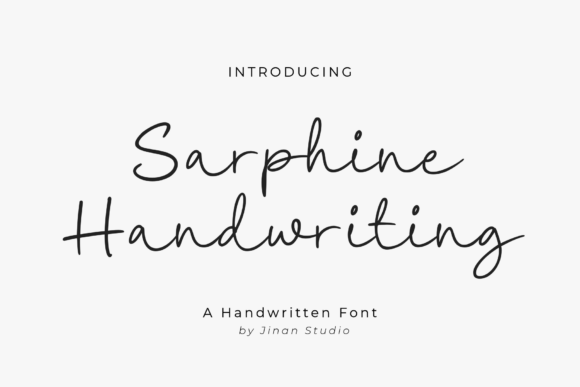
At its core, Sarphine is a modern typography solution. Its design is rooted in the fluidity of natural handwriting but refined with a keen eye for consistency and legibility. The letterforms feature effortless curves and an organic rhythm that avoids the pitfalls of being too whimsical or illegible at smaller sizes. Each character connects with a subtle, intelligent flow, creating words that feel cohesive rather than disjointed. This careful construction gives it a distinct personality: approachable yet elegant, creative yet controlled.
Unlike a purely script font that might rely on elaborate swashes, Sarphine's strength lies in its understated sophistication. It doesn't scream for attention. Instead, it draws the viewer in with its clean elegance. This makes it an exceptional display font for headlines where you want to convey authenticity and style without sacrificing clarity. Its contemporary feel ensures it sits comfortably alongside modern sans serif font families and even some cleaner serif font options, making it a surprisingly adaptable design asset.
Where Sarphine Truly Shines: Practical Applications
The true test of any creative font is how it performs across different projects. Sarphine excels in scenarios where a human touch is needed to foster connection. For logo design, it can craft a memorable wordmark for boutique brands, artisanal products, or personal services. Imagine a wedding photographer's logo or a specialty coffee roaster's branding—Sarphine adds that necessary layer of personal craft and care.
Beyond logos, its applications are extensive:
- Editorial & Publishing: Use it for chapter titles, pull quotes, or author names in editorial design. It brings a personal voice to magazines, book covers, and blog headers.
- Marketing & Social Media: It’s perfect for creating engaging social media graphics, quote cards, and promotional materials that need to feel relatable and shareable. Its style cuts through the noise of generic corporate fonts.
- Packaging & Products: In packaging design, Sarphine can highlight product names, flavor descriptions, or brand stories on labels, boxes, and tags, especially for goods positioned as handmade, organic, or premium.
- Digital & Web Design: When used thoughtfully in web design, such as for a site's main headline or call-to-action phrases, it can guide the user's eye and establish a welcoming tone. Always test for screen readability.
- Personal Projects: For crafters and hobbyists, it's a fantastic resource for custom invitations, greeting cards, and printable art. Its elegance elevates DIY projects to a professional-looking level.
Integrating Sarphine into Your Design Workflow
Choosing the right premium font is a strategic decision. Before committing to Sarphine for a project, consider a few practical steps. First, evaluate the project's core message. Does your brand or design aim to communicate warmth, approachability, and refined creativity? If yes, Sarphine is a strong candidate. If the project demands ultra-clean, geometric precision, a different style might be more appropriate.
Next, think about font pairing. A handwritten font like Sarphine rarely works well alone for large blocks of body text. Its role is to accent and highlight. A classic pairing strategy is to use Sarphine for headlines or key phrases and pair it with a highly legible sans serif font for supporting copy. This creates a clear visual hierarchy, where the handwritten element adds personality without compromising overall readability. Test combinations to see what feels balanced.
Practical testing is non-negotiable. Download a trial version if available and test Sarphine in your actual design mockups. Check its performance at various sizes, especially for intended uses like small packaging text or mobile screens. Review the included styles—does it offer multiple weights or alternate characters that could enhance your design? Finally, for any commercial use, ensure you understand the licensing. A proper commercial font license protects your work and supports the type designers, which is a standard practice for serious creators and businesses.
Ultimately, Sarphine is more than just a typeface; it's a tool for building brand identity